In today’s fast-paced business environment, implementing an effective Enterprise Resource Planning (ERP) system is essential for streamlining operations and improving overall efficiency. For businesses in Malaysia, integrating ERP systems can be a transformative step toward optimizing processes across departments like finance, inventory management, human resources, and more. This guide will take you through the key steps to implement an ERP system, specifically focusing on the benefits of cloud ERP systems, Oracle Netsuite ERP software, and the role of systems like Human Capital Management (HCM) and stock management systems.
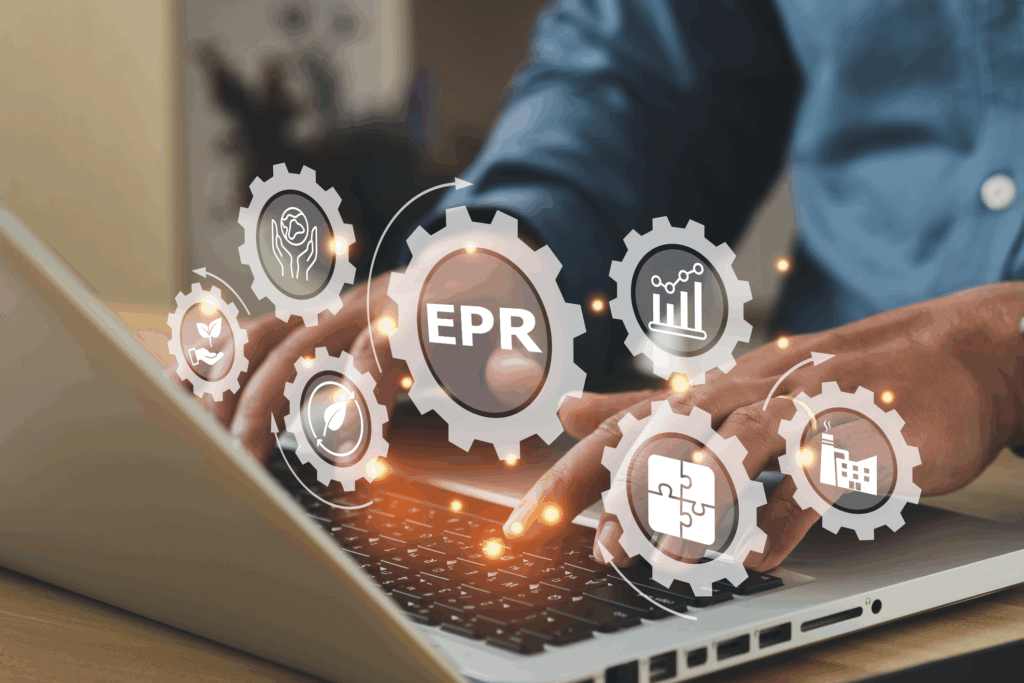
Step 1: Understand the Importance of Enterprise Resource Planning Systems
An Enterprise Resource Planning system is a suite of integrated applications that help manage a company’s core business processes. It unifies disparate operations such as finance, procurement, supply chain, human resources, and more into a single system, offering businesses a comprehensive view of their operations. This centralized system improves decision-making and boosts productivity by providing real-time data and insights.
For companies in Malaysia, adopting an ERP system is no longer optional—it’s necessary to stay competitive. Whether it’s a traditional on-premise solution or cloud ERP systems, the right choice will depend on the size and complexity of your business. Choosing one of the top ERP systems available on the market, like Oracle NetSuite or other leading options, can set your company on the path to greater efficiency and growth.
Step 2: Evaluate Your Business Needs
Before diving into the implementation process, it’s critical to evaluate your company’s specific requirements. Businesses typically need ERP solutions for:
- Inventory and Stock Management Systems: Effective inventory control is essential for businesses dealing with physical goods. An ERP with an integrated inventory system ensures optimal stock levels, better forecasting, and reduces wastage.
- Human Capital Management Systems (HCM): For companies in Malaysia with a growing workforce, a robust human capital management system is crucial. It helps streamline recruitment, employee training, performance management, and payroll, all within a unified platform.
- Accounting and Financial Management: An ERP system like Oracle ERP software offers powerful tools to manage financial transactions, track budgets, and ensure compliance with regulations.

Step 3: Choose the Right ERP Provider
Choosing the right ERP provider is critical to your project’s success. Many businesses opt for globally recognized names such as Oracle NetSuite or Oracle ERP software. These solutions are considered among the top in the industry, known for their scalability, robust features, and global support.
When evaluating ERP providers, consider factors like:
- Scalability: Your business will grow, so ensure the ERP system can scale with you.
- Customization Options: Every business has unique needs, so choose a provider that allows for customization.
- Pricing: The pricing structure for ERP systems can vary. Be sure to evaluate whether a subscription-based pricing model (common with cloud ERP systems) or a traditional perpetual license is more suitable for your budget.
Step 4: Plan the Implementation Process
The implementation of an ERP system in Malaysia requires careful planning. The process typically involves:
- System Selection: Choose the right ERP system based on your evaluation. Cloud ERP systems like Oracle NetSuite offer flexibility and ease of access from anywhere, making them ideal for businesses with remote teams or those looking to minimize infrastructure costs.
- Data Migration: Migrating data from old systems to the new ERP is one of the most challenging aspects. Ensure that all your historical data (financial, inventory, employee records) is accurately transferred.
- Customization and Configuration: Customize the ERP software to match your business processes. This could involve setting up modules for inventory management, HCM systems, financial management, etc.
- User Training: Ensure that your team is well-versed in using the new system. User adoption is crucial for successful ERP integration.
- Go Live and Support: Once the system is configured, the next step is going live. Ensure ongoing support and regular updates to keep the system running smoothly.

Step 5: Monitor and Optimize
After the ERP system is live, continuous monitoring and optimization are necessary. Regularly evaluate the system’s performance and gather feedback from users to identify areas for improvement. Fine-tuning your ERP system can enhance its functionality and help your business achieve long-term success.
Leveraging ERP for Business Success
Implementing an ERP system in Malaysia is a strategic move that can drastically improve business operations. By choosing the right ERP provider, such as Oracle ERP software or cloud ERP systems, and implementing best practices in areas like inventory management and human capital management, businesses can streamline processes, reduce costs, and drive growth. Whether you’re managing inventory with an advanced inventory system, optimizing your workforce through an HCM system, or selecting a provider based on the top pricing and features, the right ERP solution can provide the perfect foundation for future success.